Back and neck pain are extremely common, but the way people respond to them varies widely. Some stop almost all physical activity for weeks, while others continue heavy exercise despite worsening symptoms. Both extremes can complicate recovery.
Effective Spine Treatment begins with understanding the likely cause of symptoms and identifying whether any warning signs require prompt investigation.
For patients around Dahisar and Mumbai, avoiding a few common mistakes can make spine care more organised and appropriate.
Mistake 1: Assuming Every Back Pain Episode Is a Disc Problem
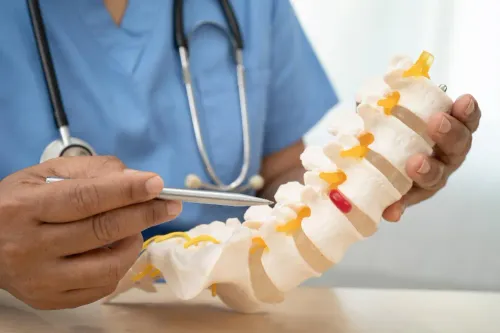
Back pain can arise from muscles, joints, discs, nerves, bones, or several structures together.
An MRI finding alone also does not automatically identify the cause of pain because some spinal changes can exist without producing symptoms.
Clinical examination and symptom patterns should therefore be interpreted alongside imaging rather than separately.
Mistake 2: Ignoring Pain That Travels Into an Arm or Leg
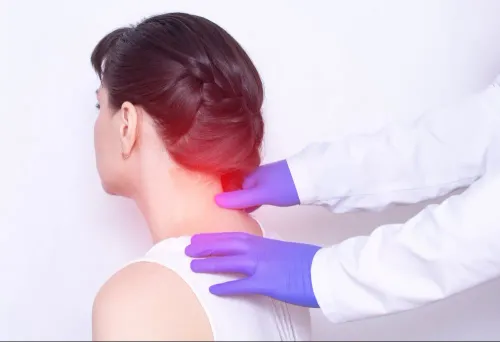
Pain extending from the neck into an arm or from the lower back into a leg may indicate nerve irritation.
Associated symptoms can include:
- Tingling
- Numbness
- Burning pain
- Muscle weakness
- Altered sensation
These symptoms warrant assessment, especially when they persist or worsen.
Mistake 3: Staying in Bed for Too Long
Short periods of relative rest may help during a painful flare-up, but prolonged inactivity can contribute to stiffness and muscle deconditioning.
When medically appropriate, gradual movement and a structured rehabilitation programme are often more useful than extended bed rest.
The exact activity level should depend on the diagnosis and severity of symptoms.
Mistake 4: Returning to Heavy Exercise Too Quickly
Pain reduction does not necessarily mean the spine is ready for unrestricted lifting, running, or intensive gym activity.
A progressive return allows strength, mobility, and movement control to improve without abruptly increasing physical load.
Mistake 5: Treating Warning Signs as Routine Back Pain
Certain symptoms require timely medical attention.
These include significant or progressive limb weakness, major trauma, fever with severe spinal pain, loss of bladder or bowel control, numbness around the groin or saddle region, and other concerning neurological changes.
Such symptoms should not simply be managed with home remedies.
Spine Care Is Usually Stepwise
Depending on the diagnosis, management can involve medication, physiotherapy, posture and activity modification, exercise, injections in selected situations, or surgery when clinically necessary.
Most patients do not need the same treatment pathway.
At Rejoice Ortho Care And Polyclinic, patients seeking spine assessment in Dahisar can discuss persistent neck pain, back pain, nerve-related symptoms, and functional limitations with an orthopaedic care provider.
For people considering Spine Treatment in Dahisar, Maharashtra, the central goal should be an accurate diagnosis followed by proportionate care. Understanding what is causing the symptoms helps avoid unnecessary restrictions as well as delayed treatment of conditions that need closer attention.
Keywords