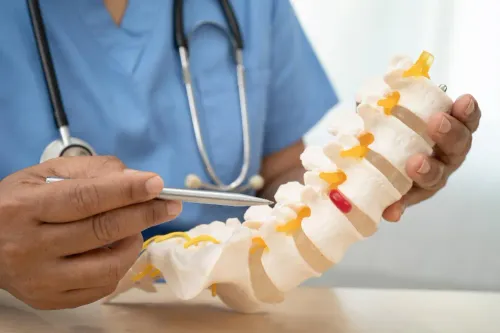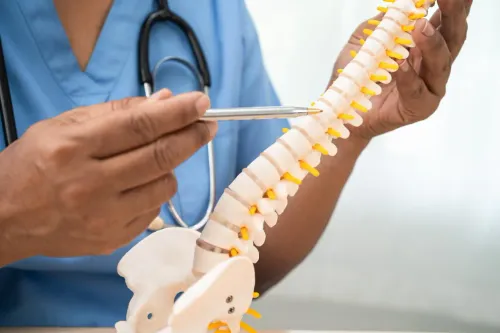
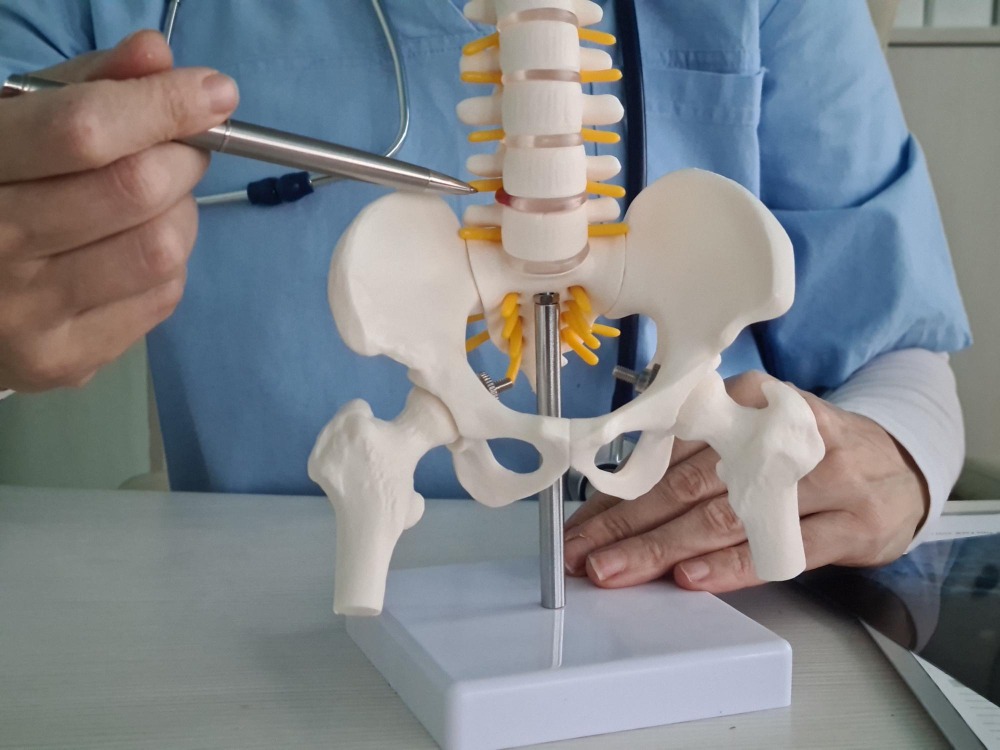
Hip discomfort is sometimes mistaken for a muscle problem because the pain may appear in the groin, thigh, buttock, or even around the knee. When arthritis progresses, however, everyday movements such as walking, putting on shoes, getting into a vehicle, or standing after prolonged sitting can become increasingly difficult.
Total Hip Replacement is one treatment option for advanced hip joint damage, but it is generally considered after the patient's symptoms, imaging, overall health, and previous treatment have been evaluated.
Recognising a Hip Joint Problem
Hip arthritis commonly causes pain and stiffness rather than only sharp pain.
Patients may notice:
- Groin pain while walking
- Reduced hip movement
- Difficulty crossing the legs
- Trouble putting on socks or shoes
- Limping
- Pain after prolonged activity
- Reduced walking distance
- Increasing dependence on support
Because similar symptoms can sometimes originate from the lower back or surrounding soft tissues, identifying the actual pain source is important.
When Does Conservative Treatment Make Sense?
For mild to moderate symptoms, non-operative care may remain useful.
This can include exercise, physiotherapy, activity adjustment, medication, weight management when relevant, and walking aids where required.
The objective is to maintain movement and reduce the effect of symptoms on daily activities.
Surgery is usually discussed when structural joint damage is significant and pain or stiffness continues to substantially affect function despite suitable conservative treatment.
What Is Replaced During Hip Replacement?
The hip is a ball-and-socket joint.
During total hip replacement, damaged joint surfaces are replaced with prosthetic components. The exact implants and surgical approach are selected according to clinical requirements.
The purpose is to address pain and impaired movement caused by severe joint disease.
Questions Worth Asking Before Surgery
Patients evaluating hip replacement should understand:
- Why replacement is being recommended
- Whether non-operative alternatives remain appropriate
- What preoperative tests are required
- What anaesthesia may involve
- When walking generally begins after surgery
- What precautions may apply during recovery
- How physiotherapy is planned
- When everyday activities may gradually resume
A detailed discussion creates more realistic expectations.
For people considering Total Hip Replacement in Kandivali, convenience of follow-up is also relevant. Joint replacement care includes preoperative planning as well as postoperative reviews and rehabilitation.
At Rejoice Ortho Care And Polyclinic, patients from Kandivali and surrounding Mumbai neighbourhoods can have persistent hip pain evaluated to determine its likely source and discuss suitable management.
Hip replacement should not be viewed simply as an age-based procedure. Across Maharashtra, the decision is better guided by the condition of the joint, severity of symptoms, general health, functional limitations, and whether appropriate non-surgical measures are still helping.
Keywords