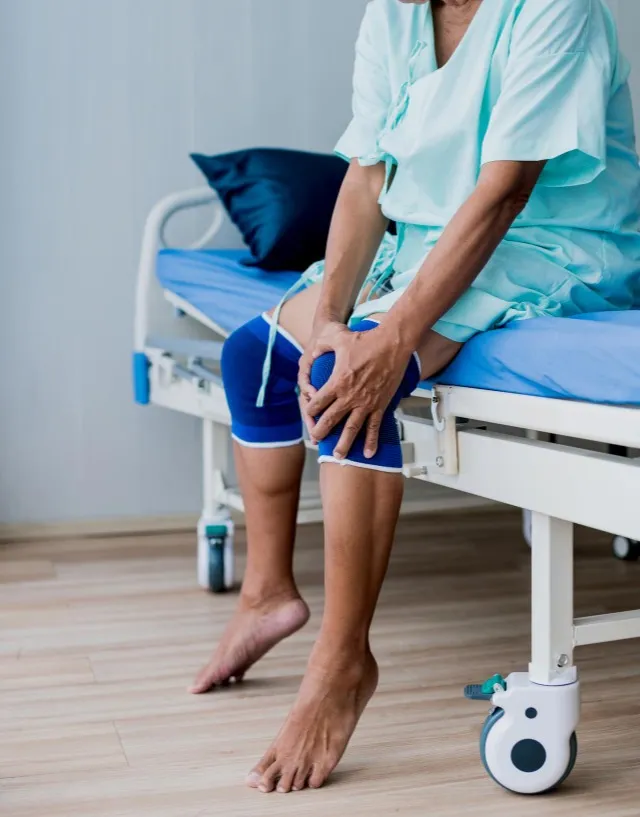
A torn anterior cruciate ligament can change the way a knee feels during ordinary movement. Some people describe the knee as giving way when turning, changing direction, or landing. Others initially notice swelling and difficulty fully bending or straightening the knee.
ACL Reconstruction may be considered when instability continues to interfere with activity or when the nature of the injury makes reconstruction appropriate.
For active adults and sports participants around Dahisar and Mumbai, understanding the full process is important because ACL care involves much more than the operation itself.
What Does the ACL Do?
The anterior cruciate ligament is one of the major stabilising ligaments inside the knee. It contributes to control of forward movement and rotation of the shin bone relative to the thigh bone.
ACL injuries frequently occur during:
- Sudden direction changes
- Awkward landings
- Rapid deceleration
- Twisting movements
- Contact injuries
A popping sensation may occur, although not every ACL tear produces the same symptoms.
How Is an ACL Tear Confirmed?
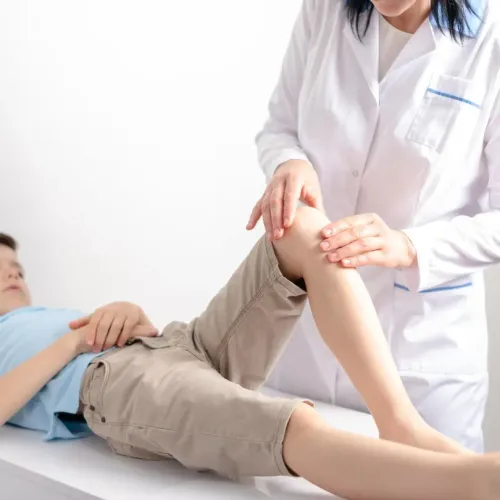
Diagnosis combines the history of the injury with a physical examination. Specific clinical tests help assess knee stability.
MRI can provide detailed information about the ACL and associated structures such as the meniscus, cartilage, and other ligaments.
This matters because treatment planning should consider the entire knee rather than the ACL in isolation.
Who May Need Reconstruction?
Not every ACL tear automatically requires surgery.
Rehabilitation alone may be appropriate for selected patients, particularly when the knee becomes functionally stable and their activities do not involve substantial pivoting.
Reconstruction may be discussed when:
- Recurrent giving-way episodes occur
- The patient wants to return to pivoting sports
- Occupational activities demand reliable knee stability
- Associated knee injuries influence management
- Instability continues despite appropriate rehabilitation
Individual expectations and activity demands therefore matter.
What Happens During Reconstruction?
ACL reconstruction generally uses a graft to replace the damaged ligament. Different graft options may be considered according to patient characteristics and surgical planning.
The procedure is commonly performed arthroscopically.
The reconstructed ligament then needs biological healing and gradual rehabilitation. The operation restores a structural restraint, but muscle strength and movement control still have to be rebuilt.
Return to Sport Should Be Criteria Based
A calendar alone cannot determine whether someone is ready to return to demanding sport.
Assessment may consider:
- Knee movement
- Strength
- Swelling
- Balance
- Functional performance
- Movement quality
- Confidence and stability
Trying to accelerate this process without adequate recovery can be counterproductive.
At Rejoice Ortho Care And Polyclinic, patients from Dahisar and nearby areas can discuss ACL injuries, imaging findings, activity goals, and appropriate treatment options.
For anyone in Mumbai, Maharashtra, dealing with persistent knee instability after a twisting injury, a structured orthopaedic assessment can clarify whether rehabilitation remains appropriate or whether ACL reconstruction should be considered.
Keywords