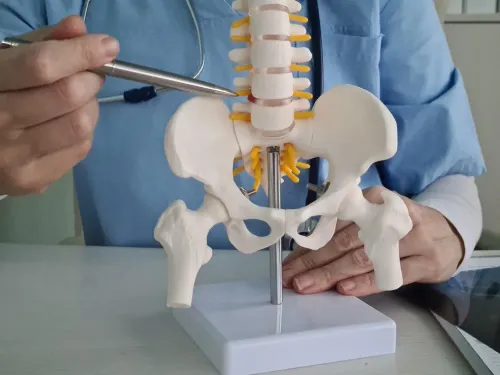
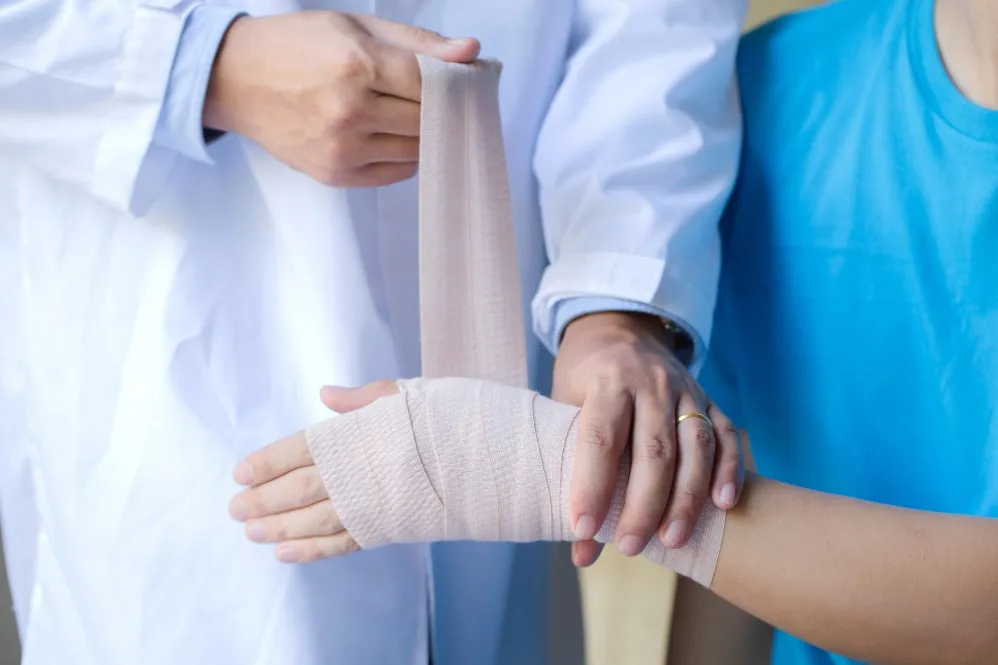
A fracture is more than a crack in a bone. Its seriousness depends on where the break occurs, whether the bone remains aligned, whether a joint is involved, and whether surrounding tissues have also been damaged. For this reason, Fracture Treatment can range from simple immobilisation to surgical fixation and rehabilitation.
People in Kandivali and other western Mumbai neighbourhoods may encounter fractures after falls, road accidents, sports injuries, or household incidents. Knowing how fractures differ helps explain why two patients with broken bones may receive very different treatment plans.
Stable and Displaced Fractures Need Different Approaches
A stable fracture generally means that the broken bone remains in an acceptable position. Such injuries may sometimes be managed with a cast, splint, or brace while natural bone healing takes place.
A displaced fracture occurs when bone fragments move out of normal alignment. Depending on the displacement and location, the bone may need to be repositioned before immobilisation or surgically stabilised.
Other fracture patterns include:
- Hairline or stress fractures
- Comminuted fractures with multiple fragments
- Joint-related fractures
- Compression fractures
- Growth plate fractures in children
- Open fractures where the skin is broken
Each pattern presents different considerations.
Why X-Rays Are Important
Pain and swelling alone cannot reliably show the exact fracture pattern. X-rays help determine the location, alignment, and extent of the break.
In complex areas such as certain joints or the pelvis, a CT scan may sometimes provide additional structural detail. MRI may be useful when an associated ligament, cartilage, stress injury, or soft-tissue problem is suspected.
When Is Surgery Considered?
Not every fracture requires an operation.
Surgery may be considered when a fracture is significantly displaced, unstable, involves a joint surface, cannot be maintained adequately in a cast, or is associated with particular complications.
Internal fixation can involve plates, screws, nails, wires, or other devices selected according to the bone and fracture configuration.
The purpose is to maintain appropriate alignment while healing progresses.
Healing Takes More Than a Few Days Without Pain
A reduction in pain does not necessarily mean the bone has fully healed. Bone healing occurs biologically over time, and the expected duration varies according to age, fracture type, blood supply, health conditions, smoking status, nutrition, and other factors.
Follow-up imaging may be used to assess progress before unrestricted activity is resumed.
Rehabilitation is also important after many fractures because prolonged immobilisation can lead to stiffness and muscle weakness.
At Rejoice Ortho Care And Polyclinic, patients from Kandivali and nearby parts of Mumbai, Maharashtra, can have suspected fractures assessed and discuss management based on the actual injury pattern.
A suspected fracture should be evaluated rather than repeatedly tested by trying to walk, lift, or move through severe pain. Correct diagnosis, suitable stabilisation, and planned follow-up are central to restoring safe function.
Keywords