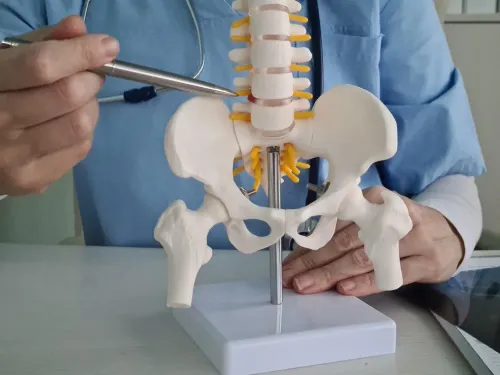
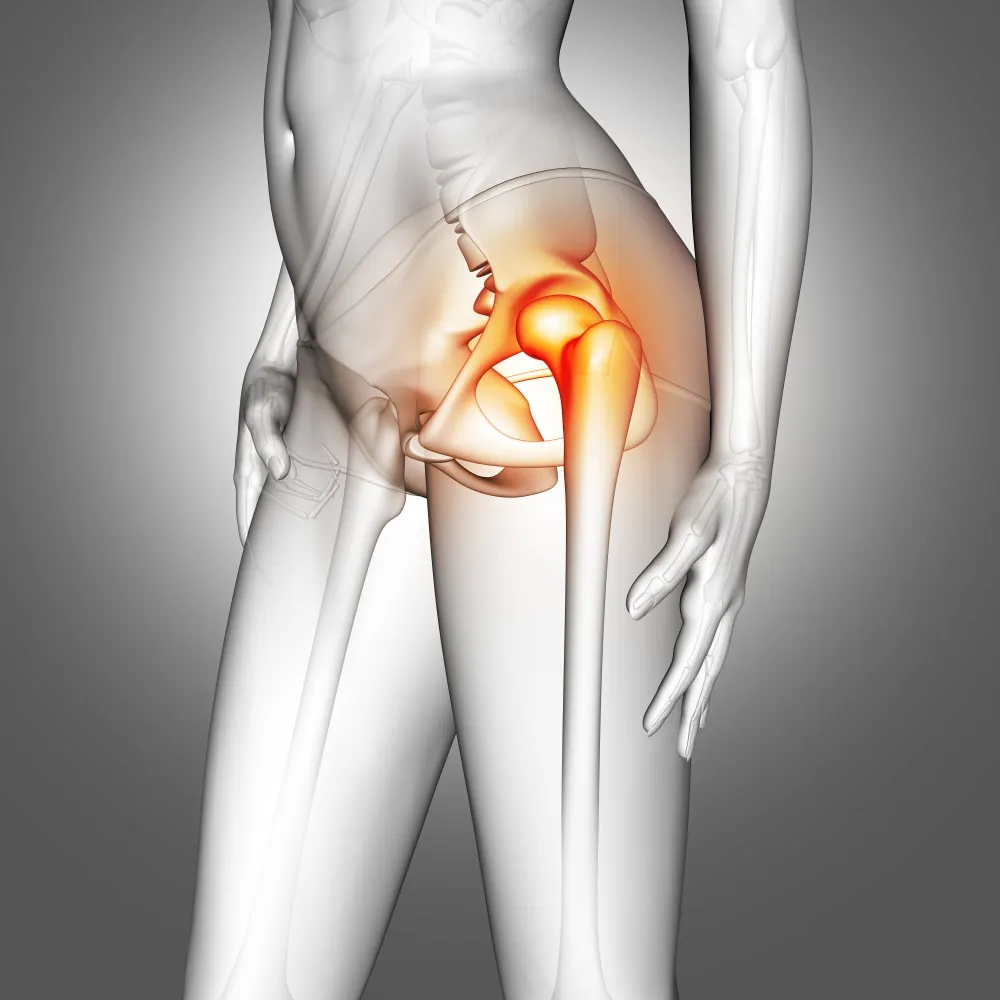
Hip osteoarthritis often develops gradually. Early symptoms may be dismissed as ordinary stiffness, but increasing difficulty with walking, footwear, stairs, or getting out of a chair can indicate that the hip joint is becoming more significantly affected.
Rejoice Ortho Care And Polyclinic provides evaluation for people seeking hip osteoarthritis treatment in Malad, with treatment decisions based on symptoms, examination findings, imaging, and functional needs.
Common signs of hip osteoarthritis
Typical symptoms can include:
- Groin or upper-thigh pain
- Hip stiffness after inactivity
- Reduced walking distance
- Difficulty putting on socks or shoes
- Pain when getting up from a low seat
- Reduced hip movement
- Increasing difficulty with stairs
- Pain that begins affecting sleep or daily routines
Hip arthritis pain can occasionally be felt around the knee, which is one reason clinical assessment matters.
What treatment is usually tried first?
Early and moderate osteoarthritis is often managed without surgery. Weight management where appropriate, activity modification, targeted exercise, physiotherapy, and medication may help control symptoms and maintain function.
The objective is not simply to make an X-ray look better. Treatment focuses on helping the individual remain mobile and manage symptoms effectively.
When should surgical options be discussed?
The presence of arthritis on an X-ray alone is not an automatic reason for surgery.
A surgical consultation becomes more relevant when pain and stiffness substantially interfere with everyday life despite appropriate conservative treatment. Walking limitations, persistent night pain, reduced independence, and inability to perform important activities can all influence the decision.
Choosing treatment based on function
Malad residents often have daily routines involving stairs, extended commuting, walking, and prolonged sitting. These practical demands should form part of the treatment discussion.
Someone with relatively advanced X-ray changes but minimal symptoms may not require the same treatment as a patient whose mobility has become severely restricted.
An orthopaedic evaluation helps connect imaging findings with the symptoms that actually matter to the individual.
Keywords