Many people have a small difference between the lengths of their legs without ever noticing it. A larger discrepancy, however, can influence posture, walking mechanics, pelvic position, and the way forces are distributed through the lower limbs.
For patients considering limb length discrepancy treatment in Malad, the first step is establishing whether there is a true structural difference and how much it affects function.
Rejoice Ortho Care And Polyclinic evaluates both the measurable discrepancy and its practical impact on movement.
What causes unequal leg length?
Limb length discrepancy can be present from childhood or develop later. Causes can include:
- Congenital differences
- Growth plate injuries
- Previous fractures
- Malunion
- Bone infection
- Developmental conditions
- Previous orthopaedic procedures
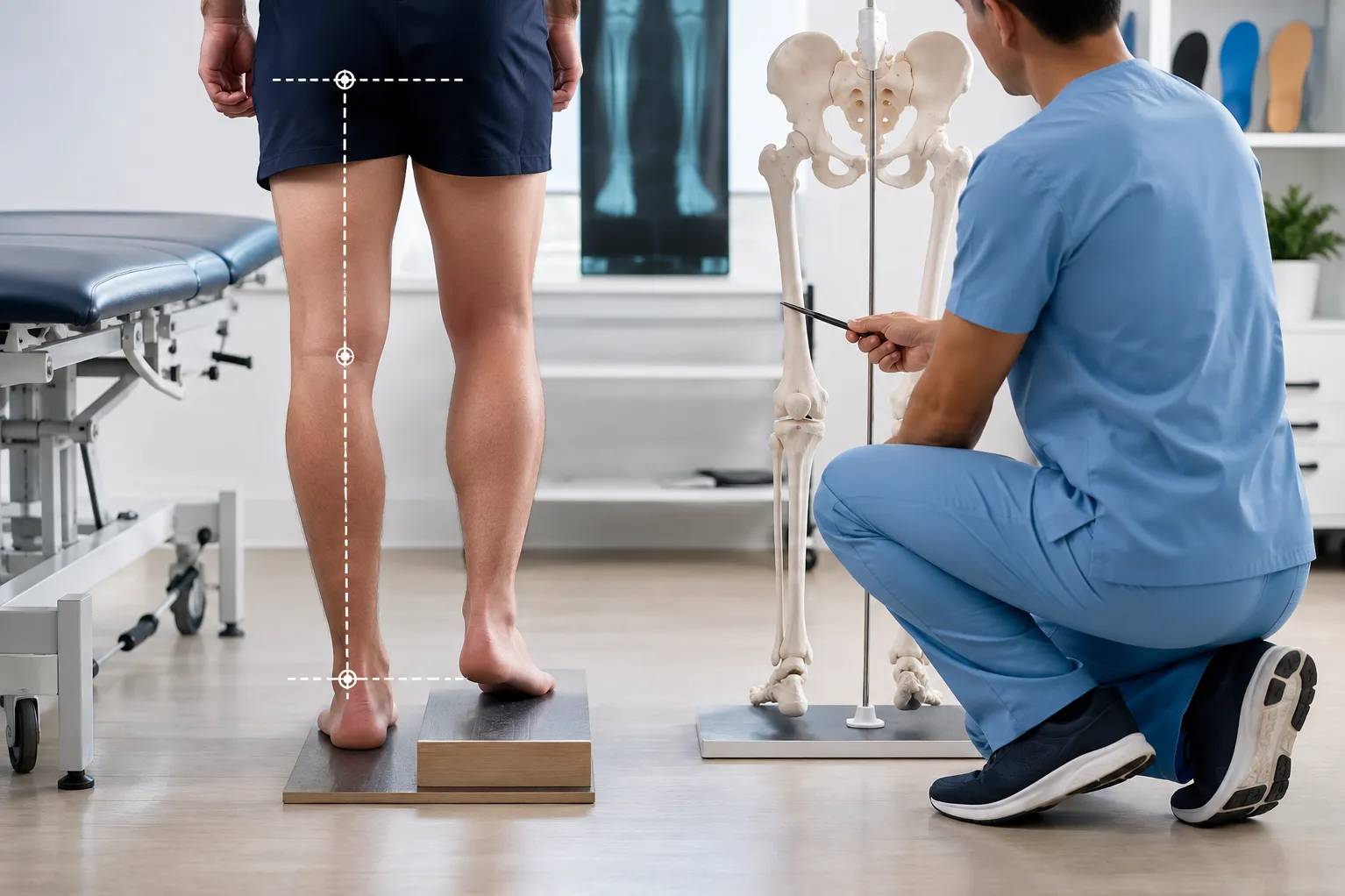
A person may also appear to have unequal legs because of pelvic tilt, joint contractures, or other functional factors even when bone lengths are similar.
How is it measured?
A clinical examination can provide an initial estimate. When greater accuracy is needed, specialised standing radiographs or other imaging techniques may be used to measure individual bone segments.
The assessment also considers walking pattern, hip and knee movement, spinal posture, and any previous injury or surgery.
Does every discrepancy need treatment?
No.
Small differences that do not cause meaningful symptoms may only require observation. Shoe modifications or lifts can help selected patients. Larger or functionally significant discrepancies may require more extensive treatment.
For children, remaining growth is an important part of planning because the difference can change as the child grows.
When might surgery be discussed?
Surgical strategies vary considerably depending on age, cause, severity, and whether the patient is still growing. Options may involve procedures that influence growth, shorten a longer limb, correct associated deformity, or gradually lengthen a shorter limb.
Because these are highly individual decisions, comparing one patient's treatment with another's can be misleading.
People in Malad and Maharashtra seeking assessment after childhood deformity, previous fracture, or longstanding walking imbalance benefit from a measurement-based approach rather than relying only on visual estimates.
Keywords