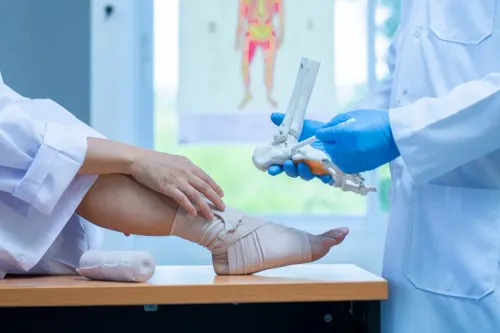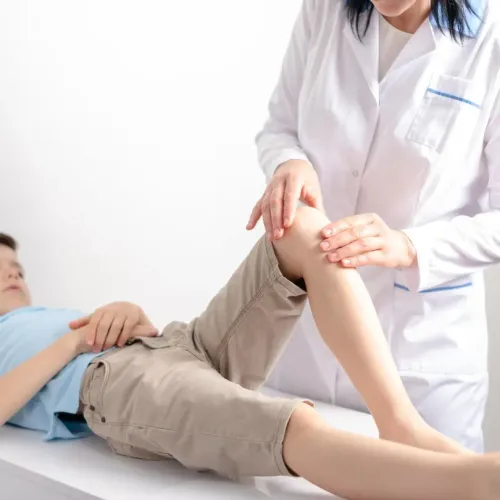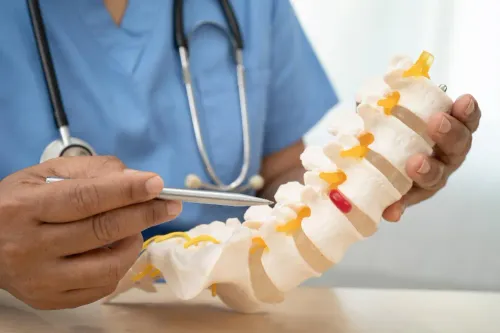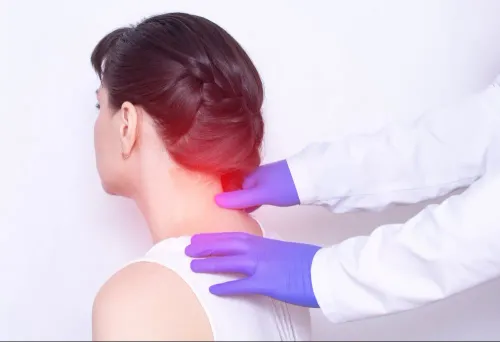
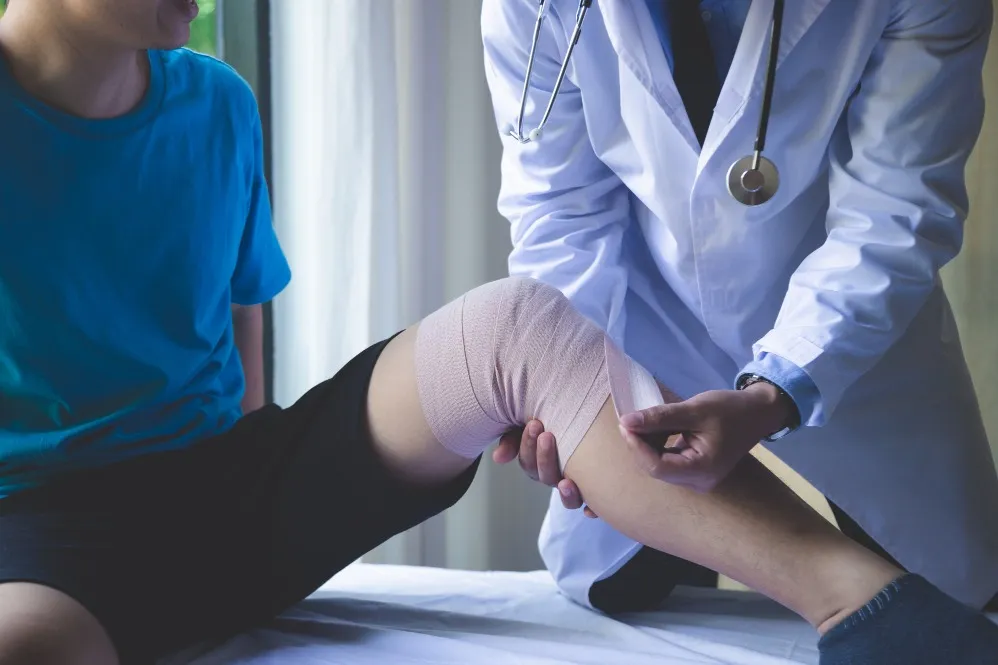
Orthopaedic injuries can happen within seconds, but their effects may last much longer if they are not assessed properly. Road accidents, falls, sports injuries, workplace incidents, and direct blows can damage bones, joints, ligaments, muscles, and surrounding soft tissues. Orthopaedic Trauma Treatment focuses on identifying these injuries accurately, stabilising the affected area, and choosing an appropriate treatment plan based on the severity of the damage.
For patients in Borivali and surrounding areas of Mumbai, Maharashtra, understanding what happens after an orthopaedic injury can make the treatment process less confusing.
Not Every Trauma Injury Is an Obvious Fracture
Severe pain after an accident does not always mean a bone is broken. Trauma can also cause ligament tears, joint dislocations, tendon injuries, cartilage damage, or deep soft-tissue injuries.
Symptoms that deserve medical assessment include:
- Persistent or increasing pain
- Visible swelling
- Difficulty bearing weight
- Restricted joint movement
- Limb deformity
- Numbness or tingling
- Bruising around the injured area
- An open wound near a suspected fracture
- Loss of normal hand or foot movement
An apparently minor injury can sometimes involve deeper structural damage, particularly when symptoms do not improve as expected.
How Orthopaedic Trauma Is Evaluated
Assessment usually begins with understanding how the injury occurred. The direction of impact, height of a fall, position of the limb, and ability to move immediately after the incident can provide useful information.
A clinical examination may be followed by X-rays. CT or MRI scans may be considered when more detailed information about complex fractures, joints, ligaments, cartilage, or soft tissues is required.
The objective is not simply to identify pain but to determine which structures have been injured.
Treatment Depends on the Injury Pattern
Minor stable injuries may respond to rest, immobilisation, medication, activity modification, and rehabilitation.
More complicated injuries may require:
- Reduction of a displaced bone or joint
- Casting or bracing
- Surgical fixation using plates, screws, rods, or other implants
- Ligament or tendon repair
- Wound management
- Structured physiotherapy after stabilisation
Treatment decisions depend on factors such as fracture alignment, joint involvement, soft-tissue condition, age, general health, and functional requirements.
Recovery Continues Beyond Initial Treatment
Once the injured structure has stabilised, restoring movement and strength becomes important. Rehabilitation may gradually address stiffness, muscle weakness, balance, joint mobility, and return to everyday activities.
Patients should also attend scheduled follow-ups because healing needs to be monitored. Returning to strenuous activity too early can place unnecessary stress on recovering tissues.
For people seeking orthopaedic assessment in Borivali, Rejoice Ortho Care And Polyclinic provides a local setting where traumatic bone and joint injuries can be evaluated and treatment options discussed according to the individual injury.
Early assessment is particularly important after significant trauma, visible deformity, inability to use the affected limb, severe swelling, or an open injury. Appropriate diagnosis at the beginning helps create a clearer and safer path towards recovery.
Keywords